Driving Lean Transformation in a Sawmill With 5S Audits and Waste Reduction Checklists
April 10, 2026
A wood processing company experienced strong demand growth across construction and furniture manufacturing markets. While production volumes increased, operational inefficiencies began affecting productivity and cost control. Spare parts for cutting lines were scattered across maintenance workshops, consumables were overstocked, and material flow between log intake, cutting, drying, and packaging areas lacked consistency. The company had previously introduced Lean and 5S principles, but implementation varied between production lines and shifts. Workplace organization audits were performed irregularly, and improvement initiatives were difficult to sustain without structured monitoring. Supervisors noticed that operators often spent valuable production time searching for tools, replacement blades, or maintenance documentation.
To strengthen operational control, the team implemented a digital checklist platform designed to support Lean management, 5S maturity assessments, and waste identification. The company introduced standardized 5S audit checklists tailored specifically to sawmill operations, including tool organization, blade storage, lubrication material control, and wood material flow verification. Production supervisors performed regular audits using mobile devices, capturing photo evidence and evaluating workplace organization maturity using structured scoring criteria. The system ensured consistent evaluation across production, drying, and finishing departments. Within the first audit cycle, management gained clear visibility into operational inefficiencies that previously remained hidden within daily routines.

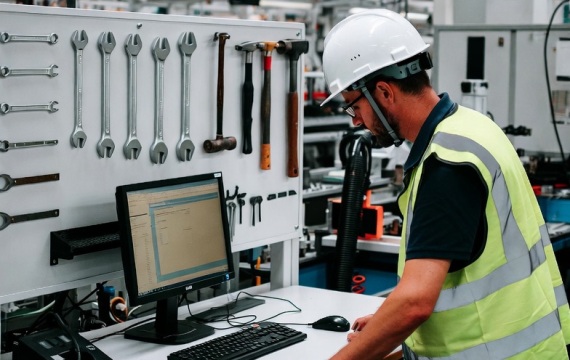

As digital 5S audits became part of daily operations, sawmill operators and maintenance technicians began actively contributing improvement ideas. The checklist platform allowed employees to submit workplace organization and visual management suggestions directly during audits or shift inspections. Operators proposed improvements such as color-coded storage zones for cutting blades, improved signage for material flow directions, ergonomic positioning of frequently used tools, and visual safety markings around high-risk machinery zones. Each suggestion was recorded and evaluated, and many were converted into improvement tasks assigned to department teams.
Within a short time, the company achieved measurable reductions in excess spare part inventory, improved maintenance response times, and fewer production interruptions caused by tool or material misplacement. The digital platform allowed managers to monitor improvement task completion and track 5S maturity development across production areas.
Key Benefits of Digital Lean and 5S Checklists in Sawmill Operations
- Centralized storage and shadow boards improve tool availability
- Reduces excess inventory and tied-up working capital
- Standardized 5S audits ensure consistent cleanliness and organization
- Participation strengthens Lean culture and operational ownership
- Structured scoring allows tracking of 5S progress across departments
- Improves overall sawmill efficiency and reliability
Employees reported improved working conditions and reduced physical strain due to ergonomic workstation improvements and better organization. By combining structured audits, improvement task tracking, and employee engagement, sawmills successfully transformed Lean principles into sustainable operational practices across the production units.
Frequently asked questions
Quick Lean implementation answers for teams improving 5S consistency, flow, and waste reduction.
What is Lean in daily operations? +
Lean is a practical way to remove waste, improve workflow stability, and increase value for customers by standardizing how work is planned, executed, and improved.
How does 5S support Lean implementation? +
5S creates organized, visual, and repeatable work areas. This reduces time lost searching for tools or materials and makes abnormalities easier to detect early.
Which wastes should teams target first? +
Start with visible and recurring losses such as waiting time, excess movement, rework, overproduction, and unnecessary inventory because they often deliver fast and measurable gains.
How often should Lean and 5S audits be performed? +
Most teams benefit from weekly area-level audits and monthly cross-functional reviews, with extra checks after major layout, staffing, or process changes.
What KPIs show Lean progress effectively? +
Track cycle time, changeover time, downtime, defect rate, on-time completion, and 5S audit scores to see whether process reliability and flow are improving.
How can digital checklists improve Lean sustainability? +
Digital checklists standardize audits, capture evidence, assign improvement actions quickly, and provide trend visibility so Lean practices stay consistent across shifts and departments.





Explore operations & process control templates
Jump straight to templates tagged for operations & process control audits.
View templates