How Observation Management in a Modern Organization Enhances Safety and Efficiency
January 24, 2026
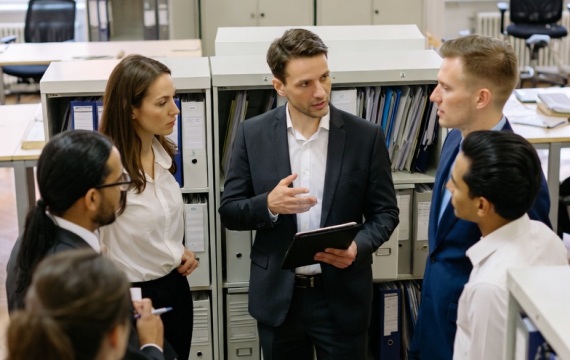
In every organization, hundreds of small situations occur daily that influence safety, efficiency, quality, and workplace culture. Some of these situations represent good practices that should be reinforced, while others highlight opportunities for improvement or potential risks. An observation is a structured way to capture these moments. An observation is a short, factual note about something seen during normal work activities, such as a factory tour, management walk, safety walk, or routine task. It can be created by any employee who notices something relevant in the workplace. With the help of a mobile SaaS application, observations can be recorded within about one minute, often including a short description and a photo. This makes it easy for people on the shop floor, supervisors, or managers to capture useful insights immediately when they occur. A structured observation system transforms these small daily insights into organizational learning and continuous improvement.
What Is an Observation?
An observation is a simple record of something noticed in the workplace that may affect safety, performance, or work environment. Observations can be in different categories such as occupational safety, fire safety, physical security etc. Depending on the category the observation may have different priority levels and required review due dates. It is also important to notice that observations can be either Positive or Constructive. Both types of observations are valuable for improving workplace safety and culture.
Positive Observations - Positive observations recognize practices that are working well and should be encouraged. These help reinforce good behavior and build a positive safety culture.
Examples of Positive Observations
- Employees are wearing all required personal protective equipment (PPE).
- Workstations are organized and clean.
- Safety instructions are clearly displayed.
- A team demonstrates excellent collaboration.
- Safety instructions are clearly displayed.
Constructive Observations - Constructive observations identify situations that could be improved or that may create risks if left unaddressed. These do not focus on blaming individuals. Instead, they highlight conditions or processes that can be improved.
Examples of Constructive Observations
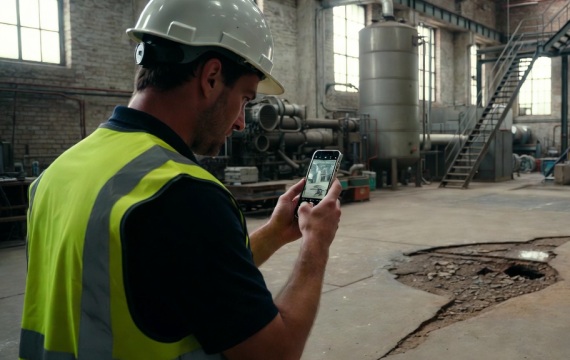
- A chemical container is not properly labeled.
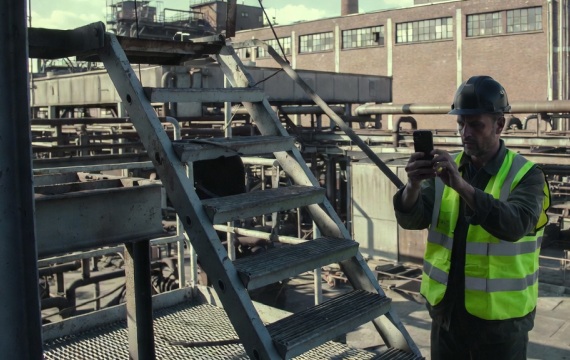
- A staircase marking has faded and is difficult to see.
- Waste containers are incorrectly sorted.
- A gate or fence is damaged.
- Tools are stored in unsafe locations.
- Safety instructions are not clearly displayed.

How Observation Management Supports Organizational Development?
A structured observation management system helps organizations move from reactive problem solving to proactive improvement. Instead of waiting for accidents or failures, employees identify early warning signals and improvement opportunities. Benefits include:
- Stronger Safety Culture - Employees become more aware of their environment and take responsibility for safety.
- Continuous Improvement - Small improvements accumulate over time, leading to better processes and efficiency.
- Early Risk Detection - Many serious incidents are preceded by smaller warning signs. Observations allow organizations to identify risks before incidents occur.
- Employee Engagement - When employees contribute observations, they actively participate in improving their workplace.
- Organizational Learning - The system collects valuable insights about recurring issues, enabling management to identify patterns and root causes.
How to Motivate Employees to Make Observations?
A successful observation system depends on active participation by employees. The system should therefore encourage and recognize contributions. If the system only reports problems, people may become reluctant to use it. Recognizing good practices creates a balanced and positive culture. Employees should see that their observations lead to action and organizations can recognize employees who actively contribute. Employees should receive confirmation that their observation was reviewed. Regular communication about observations helps the whole organization learn. Observations should be used as learning opportunities rather than criticism and the goal is to improve the workplace, not to assign blame.
Make Reporting Easy - Observations must be quick to create.
- Mobile reporting
- Photo upload
- Simple form
- One-minute reporting
Conclusion
Observation management is a powerful tool for building a proactive, engaged, and continuously improving organization. By enabling employees to easily record observations during their daily work, organizations gain valuable insights into safety, operational efficiency, and workplace conditions. A structured digital observation system ensures that these insights are reviewed, prioritized, and converted into meaningful improvements. Over time, this process strengthens safety culture, improves operational performance, and supports long-term organizational excellence. When employees see that their observations are valued and lead to real improvements, they become active contributors to a safer, more efficient, and more resilient organization.